PRANAYAMA - THE NEXT STEP
COURSE CURRICULUM WEEK3
Bhastrika - Sithali
We have our foundation established now. We are practicing alternate nostril pranayama and 10 rounds which is enough to be quite impactful on our nervous system and state of mind. Continue exactly as before for this next week. You may adjust your ratio as needed, but keep in mind you should be steady with your ratio. In other words, you shouldn’t make it easier one day because you are tired or in a hurry and then make it harder another day to see if you can handle it etc. The ratio should be increased slowly and patiently so there is no need to backtrack. You may always practice Compression/Vacuum at your discretion.
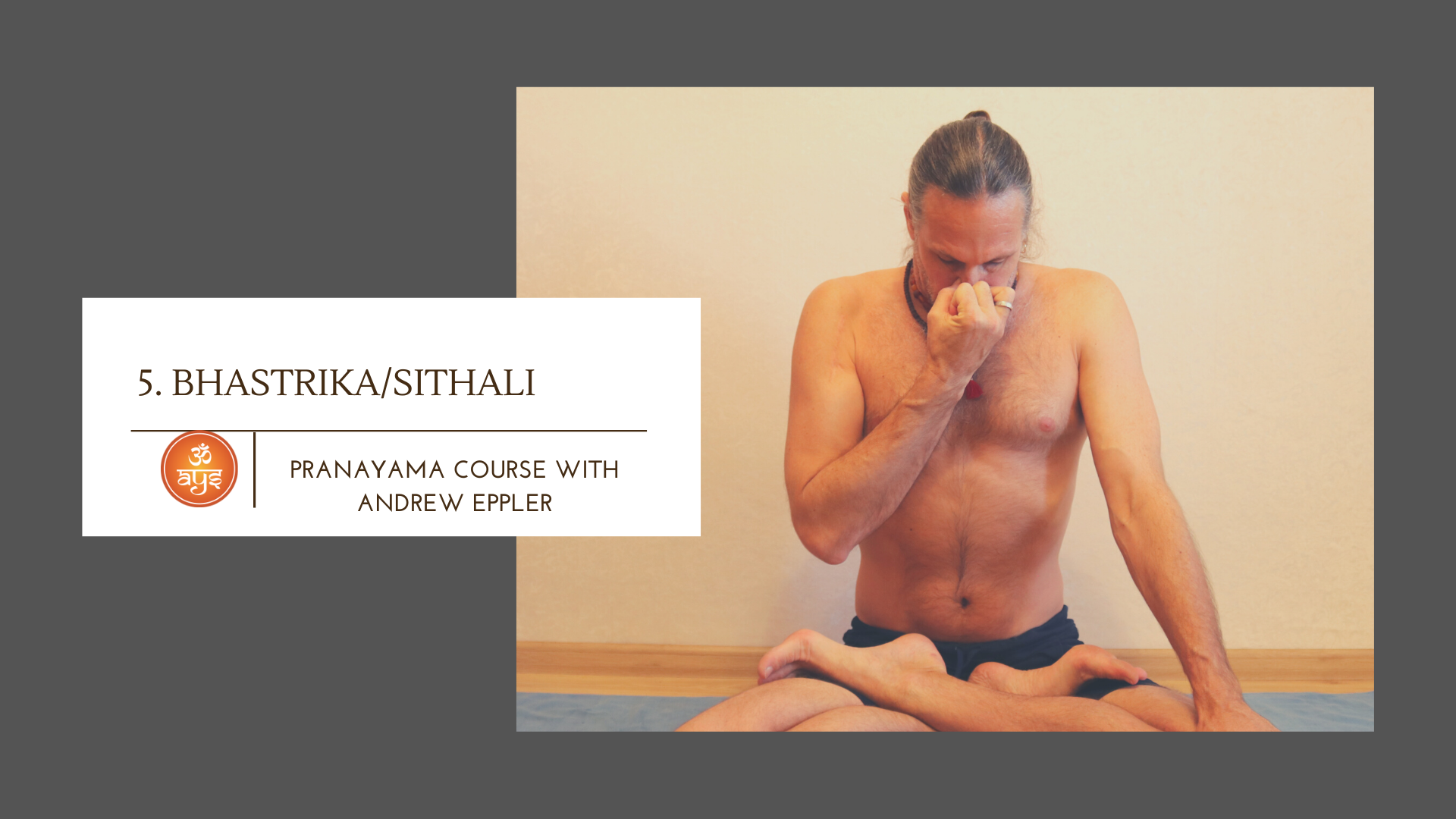
Watch the 5th video covering Bhastrika and Sithali carefully as many times as necessary to understand them. They will be relatively simple additions to your practice. Practice Bhastrika before you begin with Nadi Shodhana or Vishama Vrtti. Bhastrika will already be familiar because Compression/Vacuum includes Bhastrika. This exercise is more intense than Bhastrika alone and may be substituted for it. For the sake of learning practice Bhastrika for a few days as a stand alone exercise. The main thing to understand about Bhastrika is the heat and oxygenation this exercise creates. This is not an intellectual process but a personal cognition of internal biological processes. As mentioned in the video, experimenting with practice in cold temperatures can speed this process and give direct personal understanding.
Sithali should be done for 5 rounds at the end of the alternate nostril breathing (Nadi Shodhana/Vishama Vrtti) before shavasana. This is a relatively quick process. Experience the cooling effect. Understand it internally. Practice Sithali in a hot place and see how it effects you.
These two exercises are tools to use as needed. For this 3rd week you should try to understand them and see what reactions you can create in your body with them. Try them on their own in different circumstances such as a walk when you feel cold and underdressed. When you are in the shower you can try a few rounds of Bhastrika and then turn off the hot water and see how you can tolerate the cold. This is convenient because it is private. Let’s face it, people who don’t practice yoga are likely to think these things are very strange! Look for opportunities to be in heat and try Sithali as well. A hot car that has been parked with the windows up can be good, a walk in the hot sun etc.
Being too cold will induce shivering in healthy people. While it may be more physically uncomfortable, it is not as likely to cause serious problems as being too hot. Be more careful with heat. When you hear your pulse in your ears you are at the upper limit of what your body can tolerate and should make moves towards cooling down if it goes on for more than a few minutes. A heat stroke is the danger there. Experiencing yogic exercises in heat and cold can be very educational and give personal experience of what they do. On the other hand, ascetic exercises that are taken too far are very dangerous. Use common sense and don’t try to be heroic. You need additional training to deal with heat. The Compression/Vacuum exercise is quite effective in the cold however. Do not treat your body in an inconsiderate manner. It is a temple. You are using the immaculately intelligent mechanisms in your body to create altered states of consciousness. Treat your body with great care and respect. It is a gift that does not last forever.
Bhastrika (for heating)
3 Deep Breaths.
Inhale deeply. Exhale forcefully making a sound. Repeat 25 times.
Inhale deeply lifting chin. Hold breath for 20 counts (seconds) Mula, Uddiyana, and Jalandhara should be engaged. Exhale slowly through both nostrils.
Repeat 5 times.
Sithali (for cooling)
Forming the tongue into a U shape and sticking it out like a beak, Inhale slowly through the tongue. Retain the breath for 20 seconds. Mula, Uddiyana, and Jalandhara should be engaged.
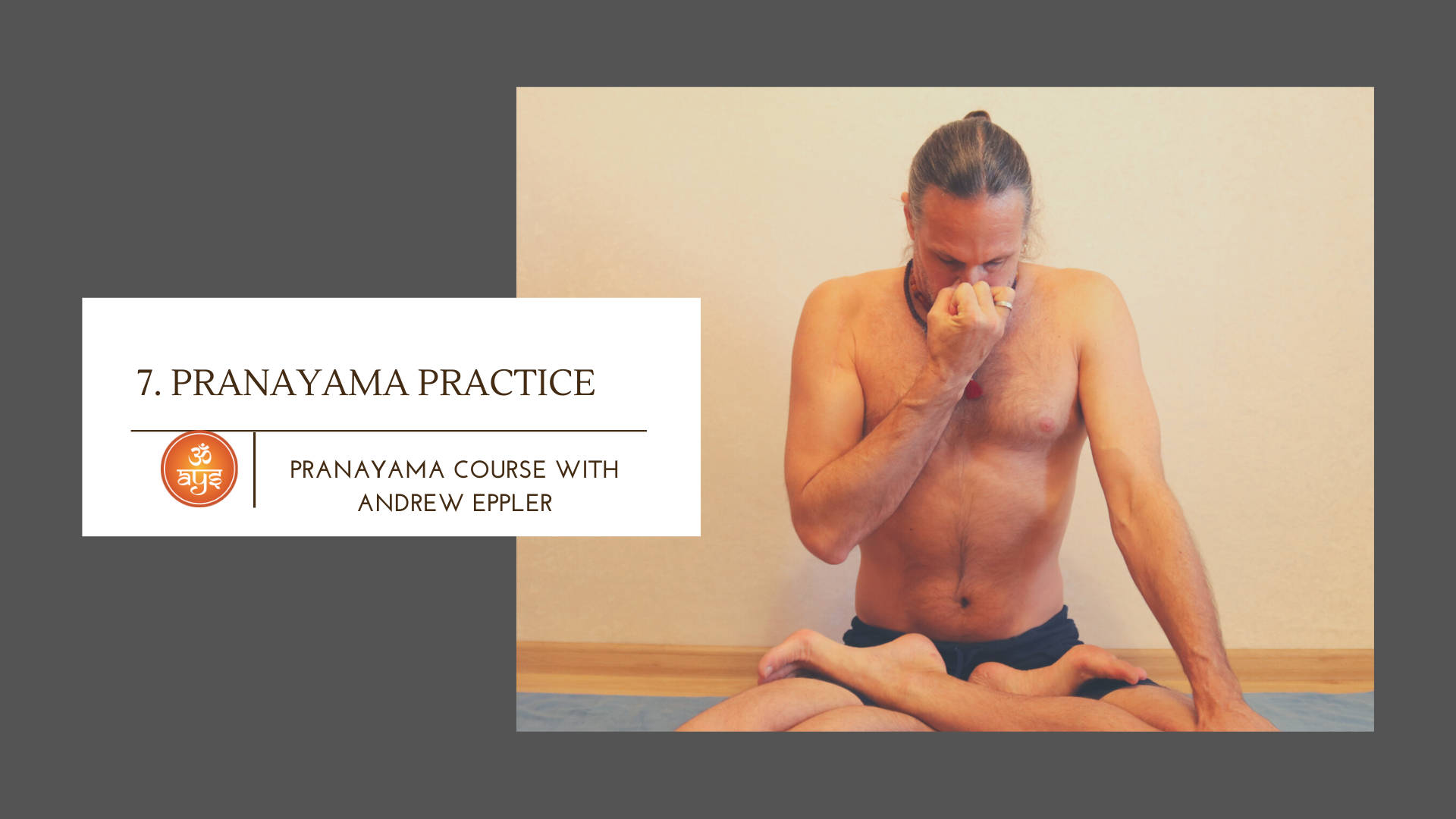
Refer to video 7. Pranayama Practice for a starting point and practice along with it until you are comfortable to practice on your own. Take note of the changes that you experience with these two new exercises. If you don’t feel a difference, that is ok too. Vijnyana, or practical experience is how we learn yoga. A teacher is like a spoon. Once you have the food in your mouth there is nothing more a teacher can do. It is you who must chew it up, swallow it and digest it.
ALWAYS FINISH WITH SHAVASANA
Ta access the final week of curriculum please CLICK HERE
Password: nariana